Evaluating a card’s condition correctly is one of the most important skills in the singles game. For buyers it’s how you avoid a bad order; for sellers it’s how you keep your reviews healthy. This guide walks through how to inspect a raw card and decide which of the five condition tiers it belongs in.
EvoMarket is a raw-singles marketplace. We don’t sell graded slabs (PSA / BGS / CGC). Everything in this guide is about evaluating an ungraded card by eye.
The five conditions, side by side
Below is a real photo of a card back at each tier. Most condition issues show up on the back first: the dark border around the Pokémon logo whitens with even a tiny amount of edge wear.
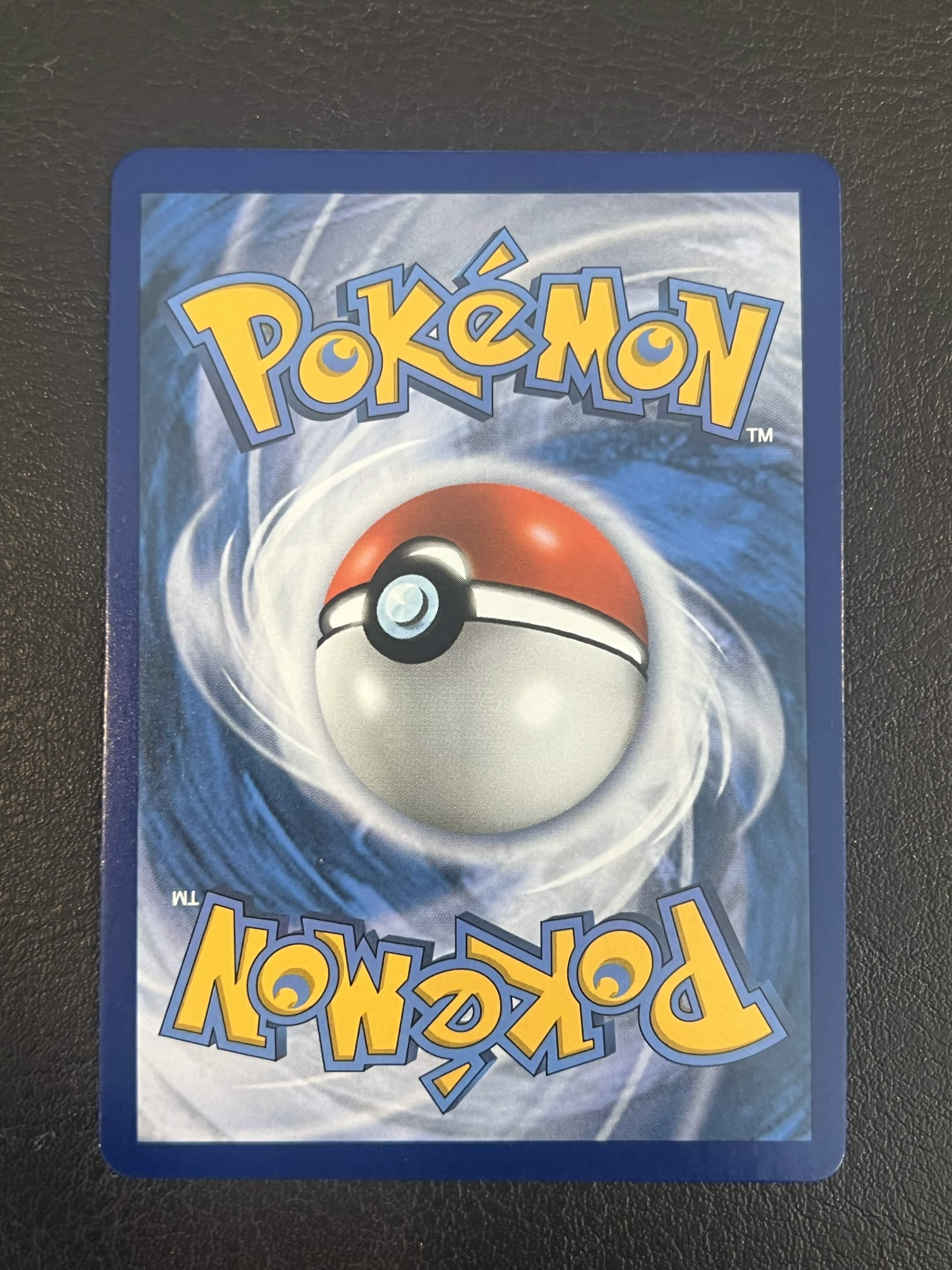
Pack-fresh or near pack-fresh. No noticeable wear under normal viewing.
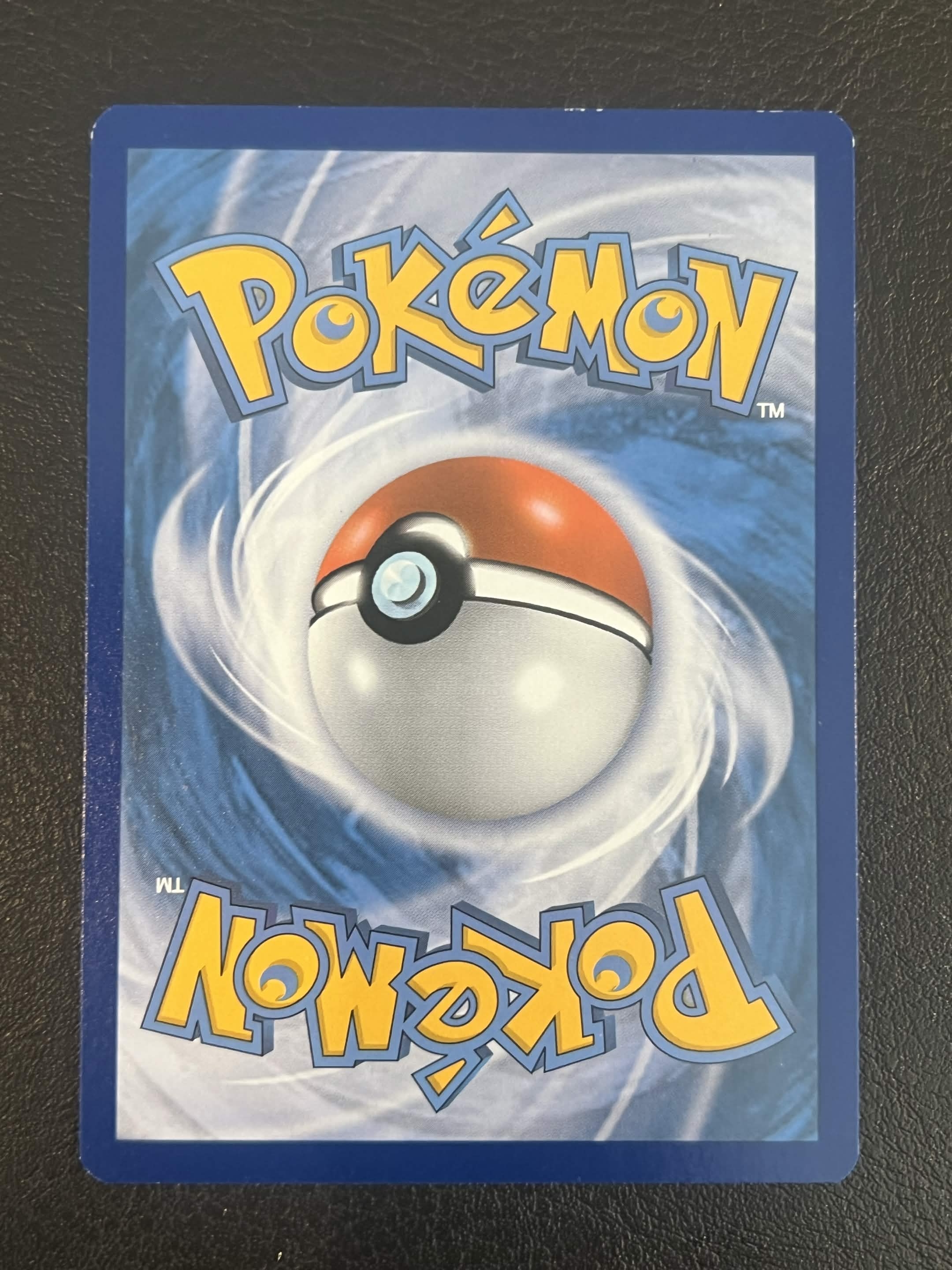
Very minor edge wear or a tiny scuff that's only obvious on close inspection.
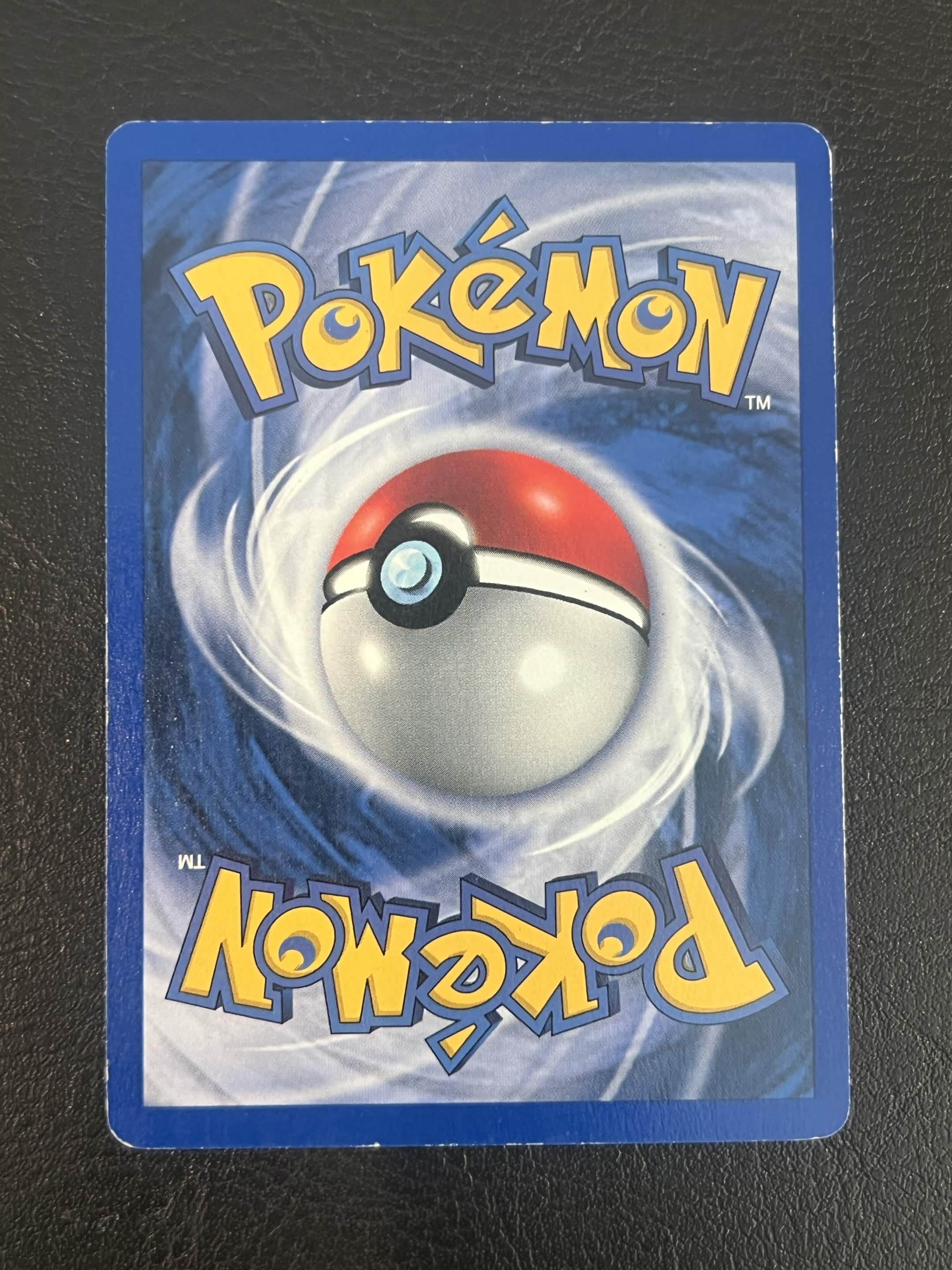
Visible whitening on edges, light surface scratches, or minor creasing.
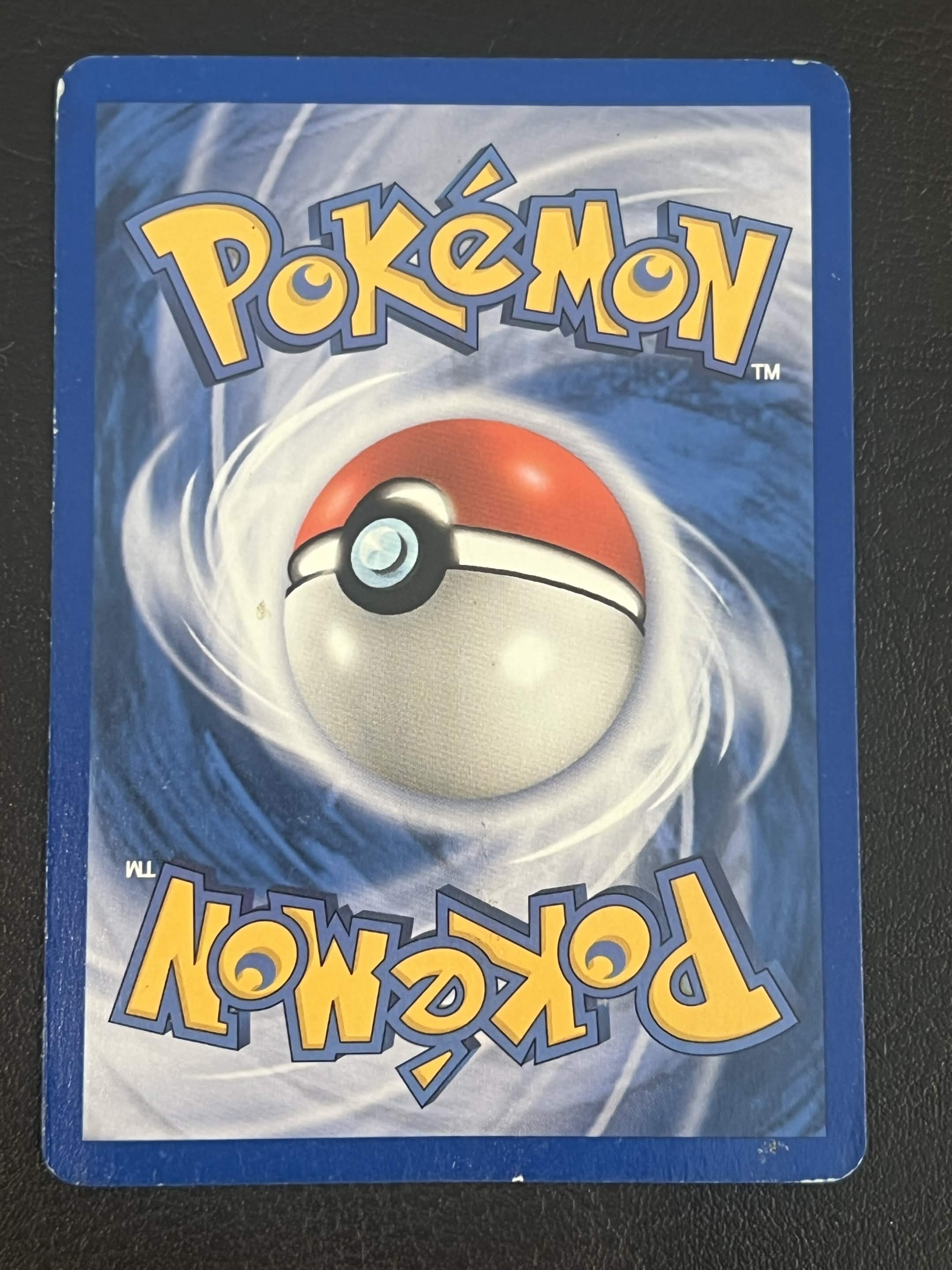
Obvious creases, significant whitening, surface damage that's clearly visible at arm's length.
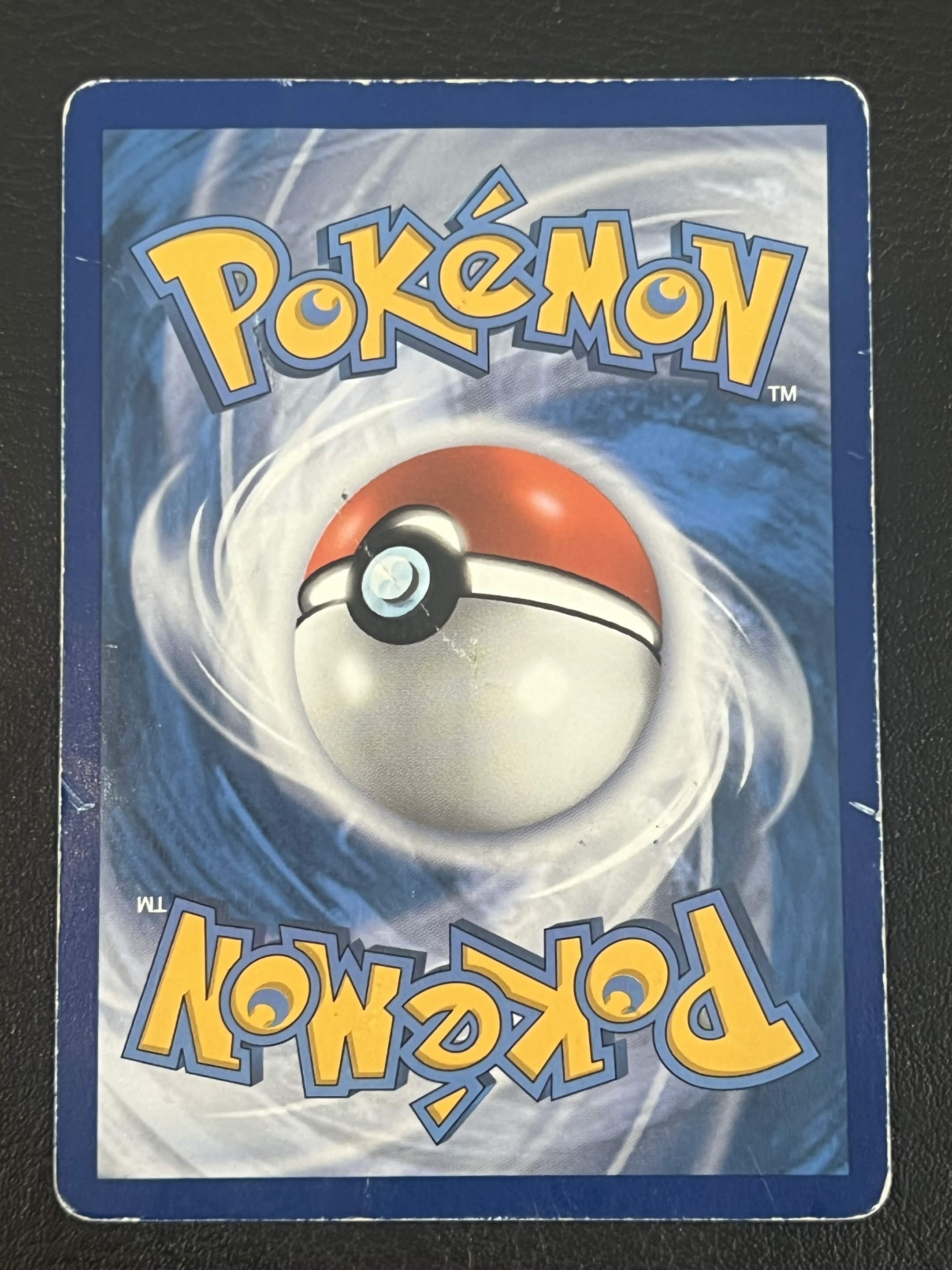
Major creases, ink wear, water damage, or anything that affects the card's structural integrity.
How to inspect a card
Use a desk lamp or your phone’s flashlight. Hold the card by the edges (not the face, since your fingerprints will show up on holos later) and walk through the four areas below in order.
- Corners. Light the card from behind at an angle. Any white showing through at the four corners drops it to LP at best. Soft-rounded corners with no whitening can still be NM.
- Edges. Run a fingernail along each edge. Smooth with no catch = NM. Slight whitening = LP. Visible chipping or obvious peeling = MP. Repeated nicks along one edge usually mean the card was shuffled unsleeved for a while, so at least MP.
- Surface. Tilt the card to catch reflections off both faces. Scratches, scuffs, clouding, and ink lift all count. Holos and full-art cards are extra prone to scratching from how shiny they are, so call out hairlines when you see them.
- Centering. Look at how the artwork sits inside the border. Significantly off-center cards aren’t technically "played" but most sellers note them in the listing, and buyers who care will appreciate the heads-up.
The two-second smell test
If a sealed plastic case would make the card look noticeably better than it does right now, list it one tier lower than your gut. The five tiers exist so collectors with different tolerances can sort themselves into the right listings. Being too generous with the top tier is the single fastest way to draw refund requests.
When in doubt, list down
Reputation is everything in a marketplace. If you’re truly unsure between NM and LP, list as LP. The buyer’s pleasant surprise is worth more than the extra dollar. A small condition surprise that goes the buyer’s way is the best kind of cheap marketing.
Ready to put a grade to work? Listings start from any card page in the catalog, and bulk upload handles whole boxes at once.